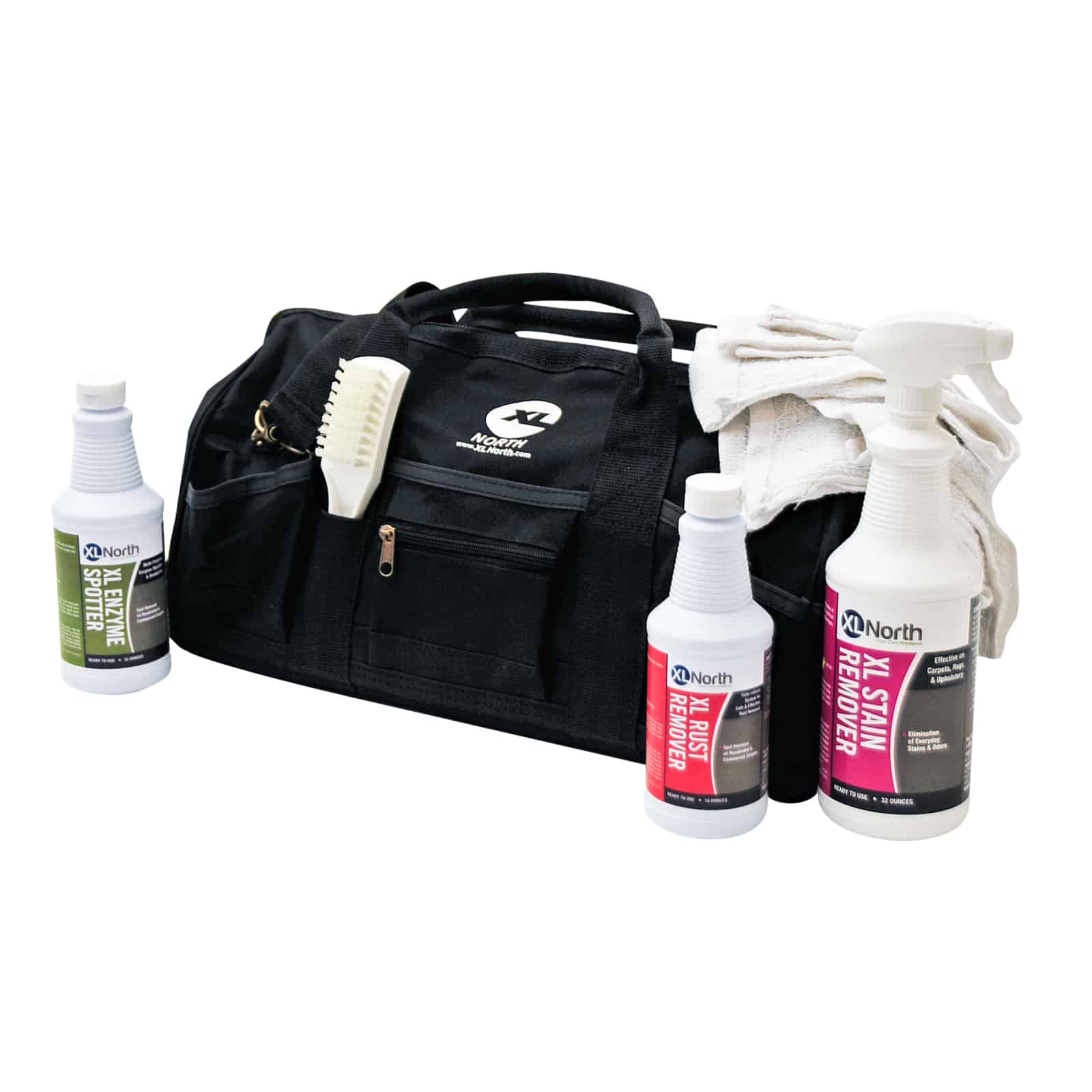
Spotting
Stain and Spot Removal Procedures
One of the first things you need to know is the difference between a spot and a stain. A spot can be removed using the appropriate chemical in the normal cleaning process and stain may look like spot but a stain has actually changed the color of the fiber. Spots and stains are easier to remove when you know what their made of. Some spots can even be turned into stains if the wrong chemical or removal technique is used; so you need to get as much information about the spot as you can. Here are some steps that can help identify what a spot is made of.
First ask the person reporting the spot if they know what it is. If they don’t know what made the spot then try to identify the spot by the way it looks, the way it smells, its texture or the general location maybe a good indication of what it is. An example of this would be a spot next to the copy machine (maybe toner) or a spot in front of the coffee station (could be coffee).
There are 3 classes of spots
1 Petroleum Based –
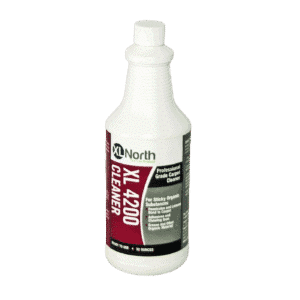
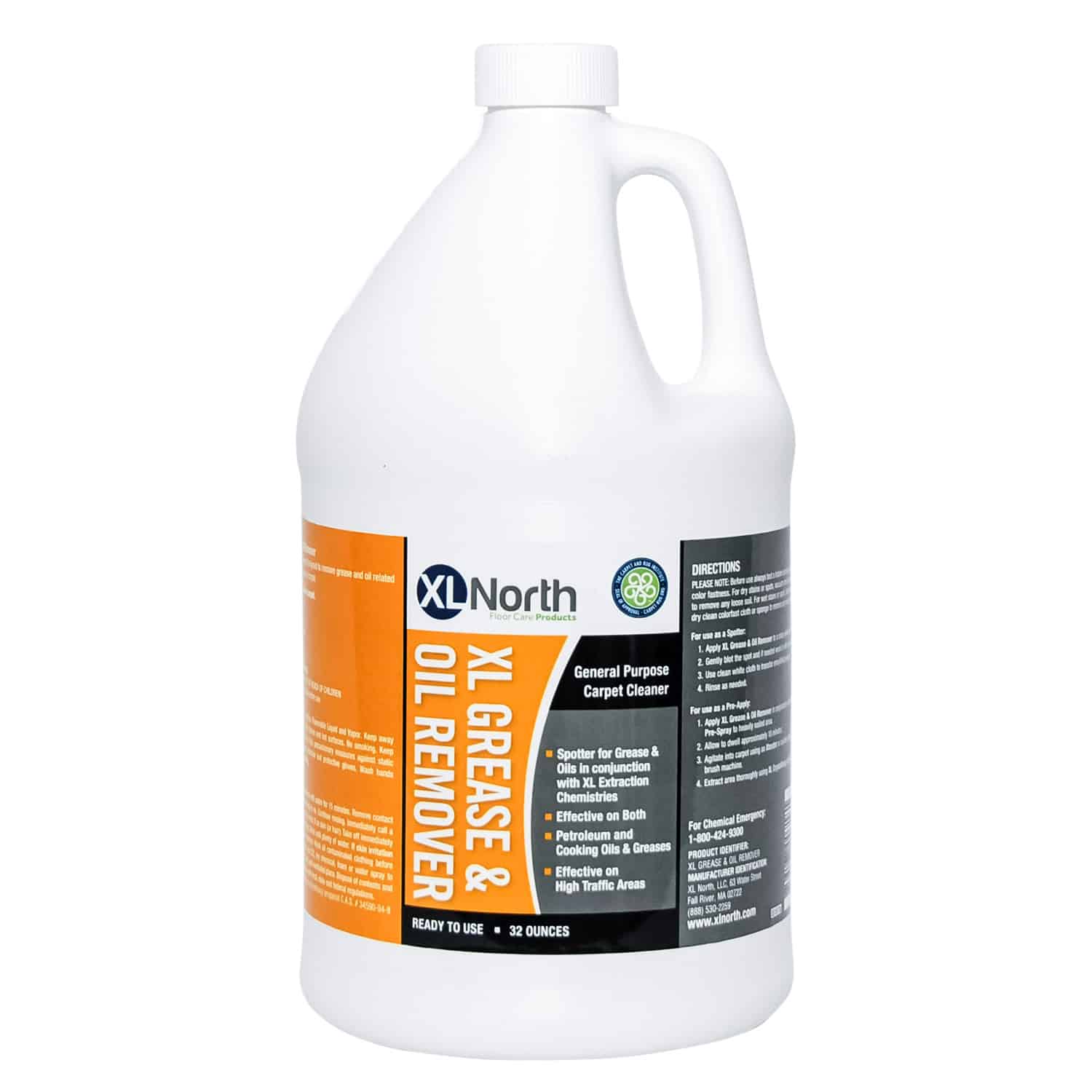
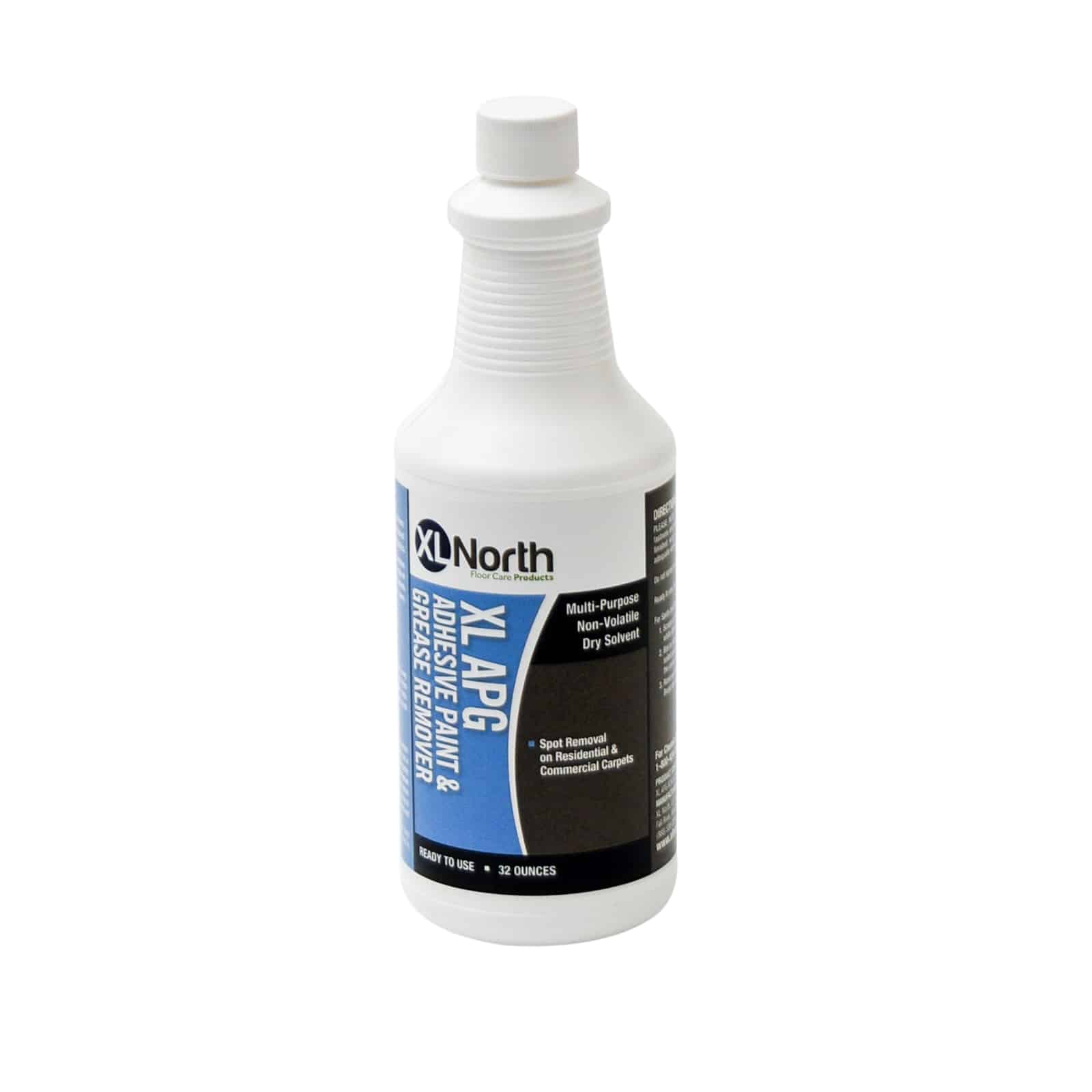
Some examples are Tar, Asphalt, Greases, Oils, Paints, and most Adhesives (Try Grab Grease and Oil, Grab 4200 or a Volatile and Non Volatile Dry Solvents to help suspend the spot)
2 Protein Base –
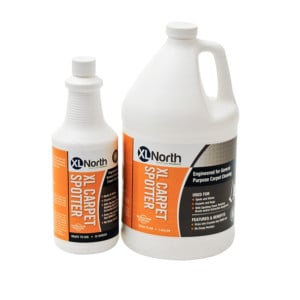
Some examples are Blood, Urine, Vomit, and some Food products. Use a bacterial enzyme to digest protein and help suspend the spot. Enzymes are heat sensitive and are inactive in colder temperatures and can be deactivated at higher temperatures, the usual working temperature is between 100 to 140 degree Fahrenheit. Protein spotters tend to be higher on the pH scale so the carpet should be tested for colorfastness before using (try Grab Carpet Spotter)
3 Water Based –
These are the most common spots and will be removed up in the normal cleaning process. Use a neutral detergent spotter to help suspend the spot (Try Grab Carpet Spotter)
Steps for spot removal
Start the spot removal process from the outside edge of the spot working inward, never work form the center out, this will only spread the material and make the spot larger
1 Remove solids.
Remove any solid material that may be trapped in the carpet strands. Make sure to look closely all the way to the backing of the carpet.
2 Apply appropriate spotting agent
Use a white cotton towel and apply the treated towel to the carpet surface. Never apply solvent based agents directly to the carpet.
3 Tamp product into carpet don’t scrub this could abrade the yarn.
4 Rotate towel and check for transfer of foreign material.
After each tamping use a white towel to soak up the spotting agent that contains the colored material. Push very hard on the towel but do not rub or pound on it this could cause the stain to spread. Repeat process with a different part of the white towel until no more color transfers up into the towel.
Rinse thoroughly to insure that all residue is removed.
If possible when finished with all the recommended steps use a small spot extractor to rinse the area completely or use a wet white cotton towel and blot the area remove as much water from the carpet as possible, If the carpet is left too wet some wicking could occur or it may not dry before it’s walked on.
Reappearing spots:
Caused by soils suspended below surface, wicking to the top or micro-organisms feeding on a food source.
Usually have vague, indefinite borders as opposed to clearly defined edges found on “new” spots.
Stains
Are caused by dyes that change the color of the fiber. Some products that fall into this category are Inks, Furniture Stains, Plant Material, (mustard, wood, etc.) and some beverages (Tea, Coffee, Fruit Punch, and Wines).
Removal of stains
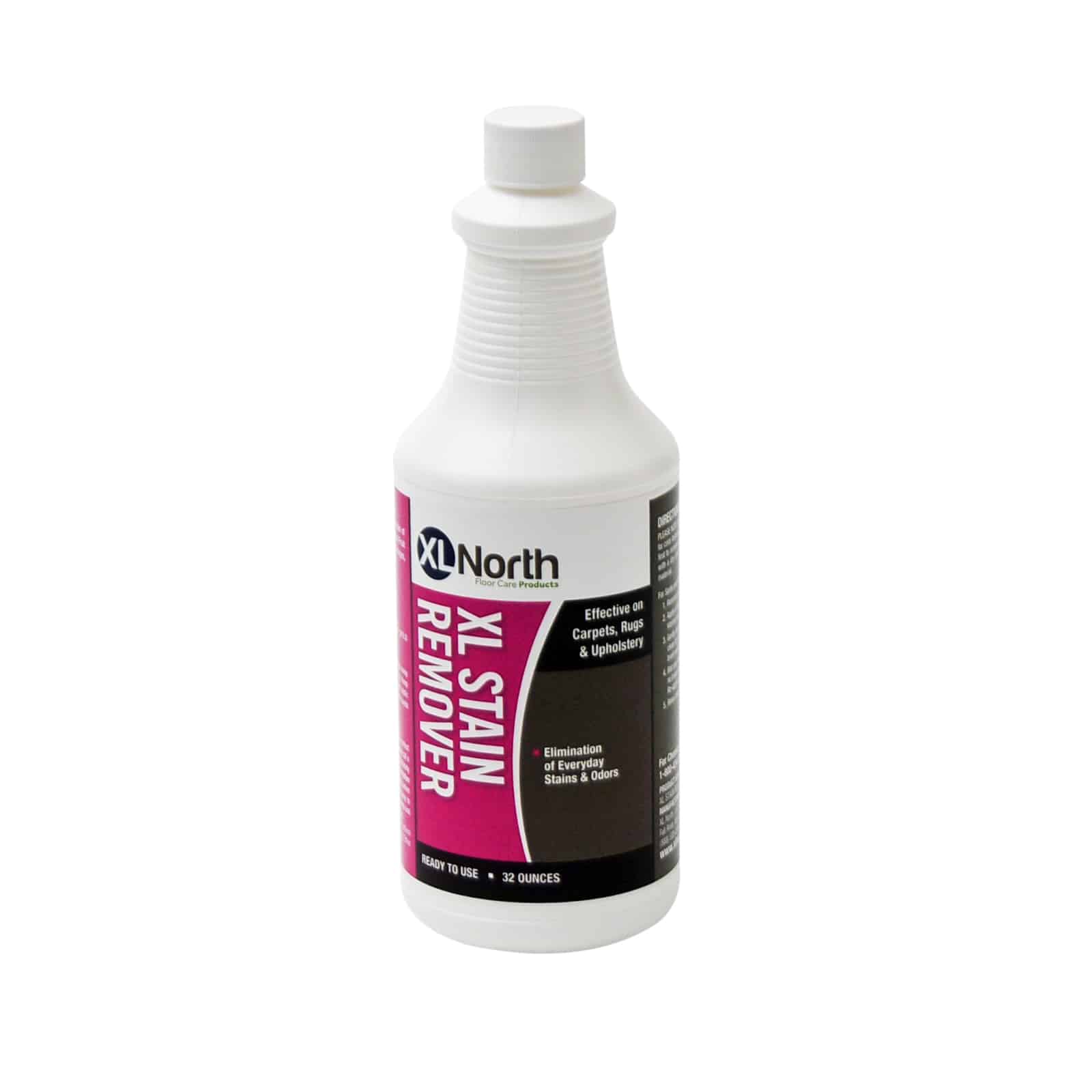
After following the spot removal process there may still be a noticeable spot in the carpet. You now know you are working with a stain. First try Grab Stain Remover; this should take out the majority of stains that you will see. If this is a coffee stain, you made need to use Grab Coffee Breaker. If the stain is still there then a professional floor care provider should be contacted
Under these circumstances one of the following chemicals Reducers or Oxidizers will need to be used to remove the stain. This procedure could damage the carpet and therefore may only be performed by a technician experienced in this procedure. Warning, this could damage the carpet or change the color of the carpet by trying this process, Get permission first before starting this process. This process should be tested in a inconspicuous area first before using it on the stained area. Also when using Reducers or Oxidizers start with a deluded solution and work up to full strength.
Reducers work best in a solution on the acid side of the pH scale. Use an Acid Spotter to pre-wet the spot first. This chemical must be extracted out of the carpet when the stain is finished reducing.
Heat will accelerate the process. There are two types of reducing agents Sodium Bisulfate ( milder ) and Sodium Hydrosulfite (stronger color loss can easily occur )
Oxidizers are sprayed onto the spot as the last step in the cleaning process, and will self neutralize when they dry.
Heat transfer Systems (both reducers and oxidizers) you will need several WHITE ALL COTTON towel and an iron. The chemical is applied to the stain with a white all cotton towel, then a second damp or dry towel is placed over the stain. The iron is placed on the towel (approx. 15 seconds) for the transfer to take place. The towel is moved around to a clean spot for the stain to transfer again. Make sure to use a clean section of the towel every-time you repeat this process. This process is repeated until no more noticeable transferring of dye to the towel. Again as a reminder tell the customer about potential damage that could occur to the carpet when performing this process and get permission first before starting this process.
Spot and Stain Information Table
|
Spotting Agent |
Uses |
Precautions |
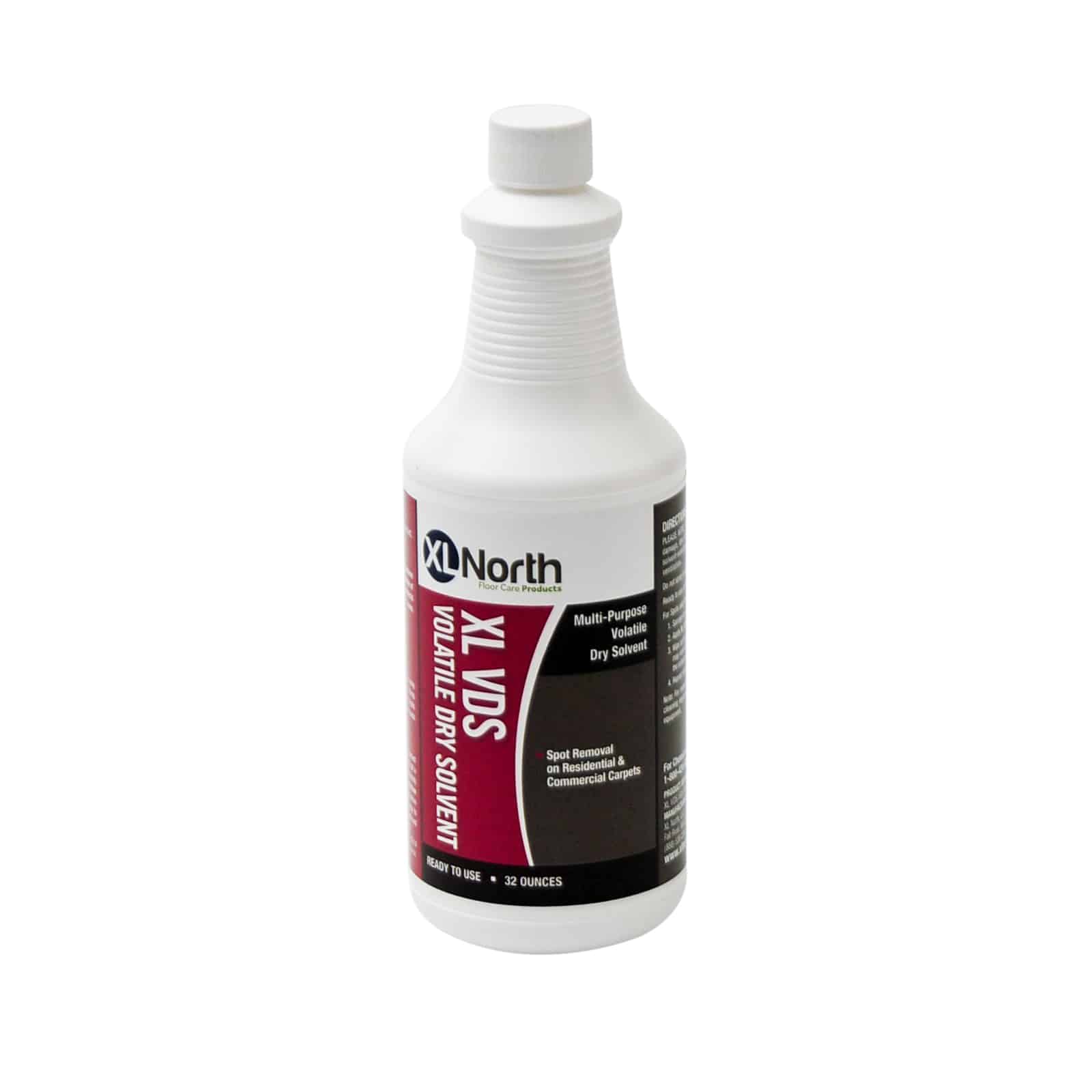
| VDSVolatile Dry Solvent | Oil, grease, tar, asphalt, fresh paint, rinse for NVDS residue, adhesives | Severely dries skin, blisters; ventilate area, may set ink and permanent marker spots Dissolves latex MUST USE rubber gloves. Delaminates carpet |
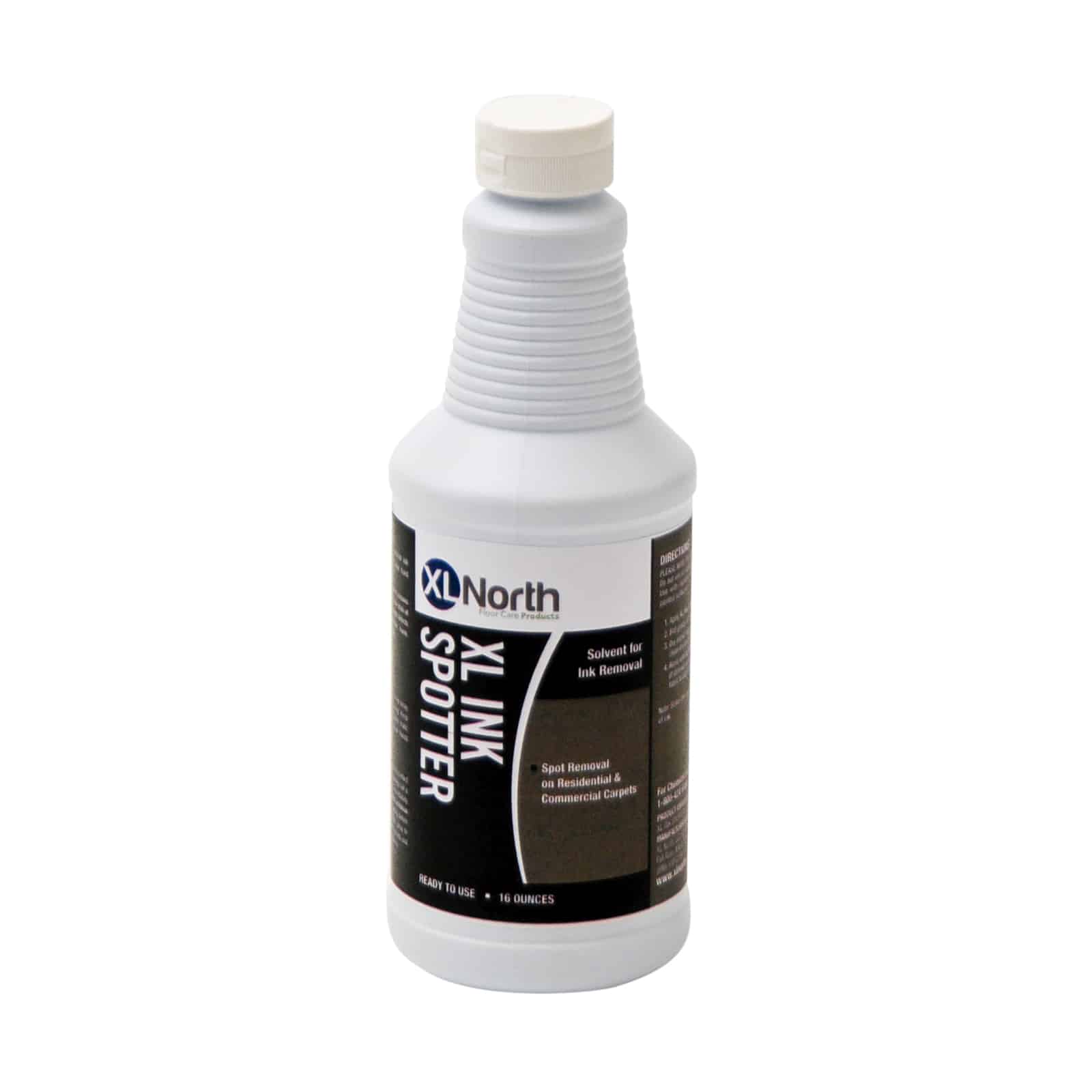
| NVSNon-Volatile Solvent | Ink and permanent markers | Needs rinsed with water Dissolves latex MUST USE rubber gloves. Delaminates carpet |
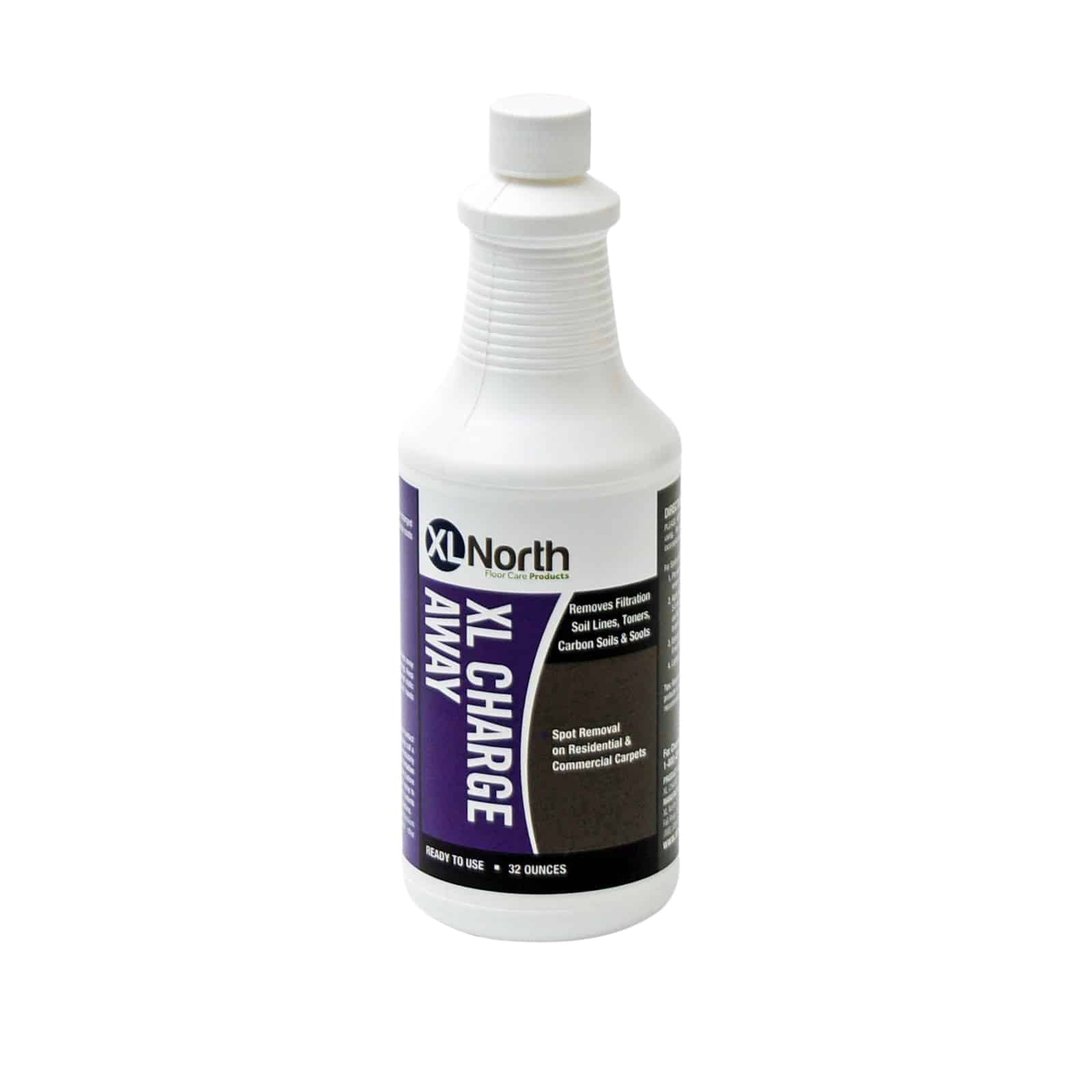
| CP Charged Particles | Filtration soil along walls, under doors. Around vents, toner spills, any charged particles soil | Needs rinsed with water |
| NVDSNon-Volatile Dry Solvent
Grab G.O.P. (Glues, Oils & Paints ) NVDS |
Varnish, lipstick, shoe polish, adhesives, nail polish, dried paint, (chemical needs dwell time ) | Needs rinse with VDS ventilate area; Dissolves latex MUST USE rubber gloves. Delaminates carpet |
| NDSNeutral Detergent Spotter
Grab Carpet Spotter
|
General soiled spots; can be used as wetting agent | Needs rinsed with water |
| ADSAlkaline Detergent Spotter or 7% – 10% ammonia solution
Grab Grease and Oil |
Particle soils, some food spots, use to neutralize rust remover | Avoid chlorine bleach (contains ammonia), may experience dye bleed rinse with water |
| ASAcid Spotter
Grab Stain Remover Grab Coffee Breaker |
Coffee, tea, soft drinks, Dried/caramelized sugar, berry stains, urine and alkaline spots | Needs rinsed with water |
| Rust RemoverOxalic Acid
Fluoride based are safe |
Rust, MUST NEUTRALIZE with ADS spotter or ammonia (10% solution ) then rinse | Burns skin; rinse skin immediately! Corrodes metal, etches glass; possible dye change rinse with water |
| Protein Digester“Enzyme” | Blood, egg, milk, vomit, Protein | Do not use on wool carpet rinse with water |